Food labelling is simultaneously one of the most regulated and most confusing aspects of the modern food system. Understanding what different claims and certifications actually mean can transform your shopping experience and dietary quality.
The ingredients list is the most important part of any food label. Ingredients are listed in descending order by weight, so the first few ingredients make up the bulk of the product. If sugar, refined flour, or vegetable oils appear in the first three ingredients, you are essentially eating a vehicle for those substances.
Sugar has approximately 56 different names on food labels. Beyond the obvious ones (sugar, glucose, fructose), watch for terms like maltodextrin, dextrose, rice syrup, agave nectar, and fruit juice concentrate. A product can claim 'no added sugar' while containing concentrated fruit juices that have essentially the same metabolic effect.
The 'natural' label on food products has no legally binding definition in the UK or EU. It is purely a marketing term. 'Organic' however, is legally defined and regulated, requiring certification and adherence to specific production standards.
Traffic light labelling (used in the UK) provides a quick visual guide to fat, saturated fat, sugar, and salt content. While imperfect, it remains one of the most effective tools for quick comparisons between products.
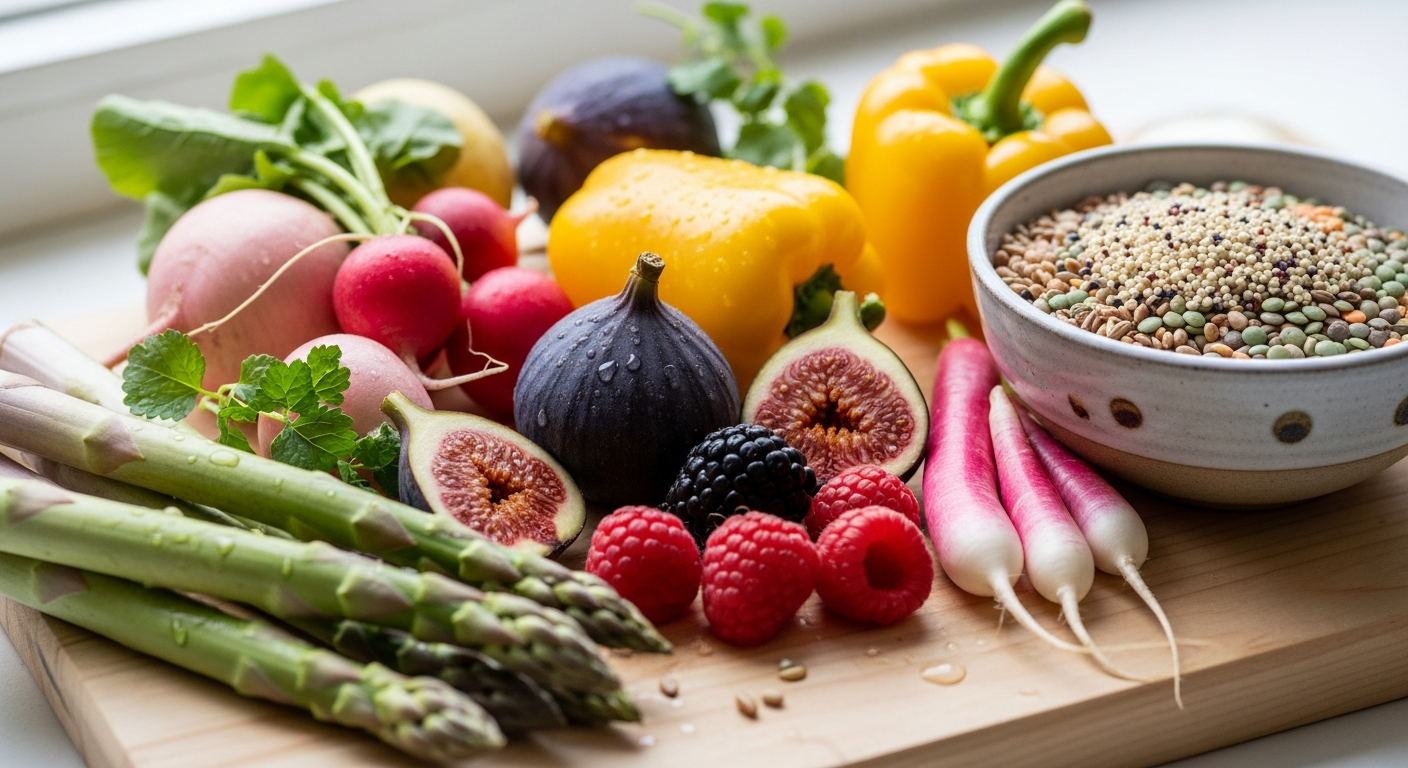
The most reliable approach to healthy eating requires no label reading at all: focus on whole, unprocessed foods that do not need ingredient lists because they are the ingredient.
Disclaimer
This content is for educational and informational purposes only. It does not constitute medical advice, diagnosis, or treatment. Always consult a qualified healthcare professional before making changes to your health routine.